A Canadian manufacturer receives an inquiry from a distributor overseas. The proposed order looks large enough to reduce the company's reliance on its main foreign customer. Then the questions start. Who will translate the packaging? Who pays to send a faulty unit back? Can the business afford to buy the materials now and wait until the distributor pays? A promising order can reduce one risk while adding others.
Trade diversification makes sense when new customers or routes give the business options it can afford to keep. That requires knowing what kind of exposure the company is trying to reduce. It also requires checking the price, delivery terms and timing of payment before treating a new export market as a reliable source of revenue.
What is being diversified?
Trade diversification can refer to selling in more destinations, selling more types of products or buying inputs from more suppliers. For an exporter, the first question is often customer concentration, meaning how much of its business depends on a small group of buyers. A firm can sell to several countries through one distributor and still depend on that distributor's decisions. It can also sell to several customers in one country and remain exposed to that country's border rules.
The two kinds of concentration call for different responses. A firm worried about the loss of a single account can look for an independent customer. A firm worried about a change in one country's tariffs needs to examine where its goods actually enter and what would happen if sales there slowed. A firm worried about a bottleneck might need another shipping route or supplier. Draw the dependency first. The destination list is only part of the picture.
Diversifying can coexist with growing an established market. A business can keep serving its anchor customer while developing another channel. The cost of that flexibility is the time, inventory and attention the new channel needs. The Trade Commissioner Service recommends testing market assumptions through conversations, research and qualified advice. Those checks help a business decide whether a market that looks attractive on paper will support repeat orders.
Four tests for a new export market
Demand: who would actually place a second order? Start with a specific customer and a use for the product. An inquiry establishes interest. Ask what would make the buyer reorder, what competing product it currently buys and whether its first order is a trial or a commitment. A distributor may know the local market well, but its enthusiasm is one signal. Ask for a route to feedback from the people using the product. The Trade Commissioner Service treats direct conversations as a way to test assumptions alongside desk research.
Margin: what does it cost to serve the customer? Compare the expected selling price with the costs you would incur to make, deliver and support the order. Include packaging changes, distributor commissions, freight and any applicable duties you are responsible for. The export pricing guide also flags exchange rates, translation and representation costs. A supplier quotation is evidence of what freight might cost under stated conditions. It tells you less about returns, service calls or repeat-order volumes. Keep those assumptions visible so the first shipment can help refine them.
Cash: when does the sale turn into usable money? Even a profitable order can require cash before it produces any. The firm may buy inputs and book transport before it can invoice or collect. Write the major payment dates in order and see where the gap is largest. The Trade Commissioner Service's compliance checklist highlights payment terms and trade credit insurance, which can protect against certain non-payment risks subject to the policy. The exact terms matter. A signed payment schedule provides stronger evidence than a buyer's informal assurance.
Access: can the goods enter and be sold on the proposed terms? Check classification, documentation and any licensing or product requirements for the destination. If you plan to claim a tariff preference under a trade agreement, check the rules of origin and the proof needed. Agree who arranges freight and insurance and who handles import formalities. Standard trade terms, known as Incoterms, can allocate specified delivery obligations and risks when incorporated into a contract. Confirm the actual contract alongside the standard term. A tariff advantage offers little comfort if the product cannot be sold as packaged or the parties disagree over who handles clearance.
What Canadian trade figures can show
Global Affairs Canada's 2025 merchandise trade update, using customs-based data retrieved May 5, 2026, put the United States' share of Canadian goods exports at 72.5% in 2025, down from 76.3% in 2024. Over those same years, the share going to Europe and Central Asia rose from 9.5% to 12.4%. Those figures show that the mix of destinations changed. They also show how much of Canada's goods trade still went to its largest customer country. The annual shift reflects movement in both U.S. and non-U.S. exports, which is why a falling share on its own is incomplete evidence of success.
The monthly picture illustrates how conditions can shift again. Statistics Canada's November 4, 2026, release reported that goods exports to the United States rose 0.7% from August to September 2026, while total goods exports rose 0.2%. These monthly figures are seasonally adjusted, meaning the agency accounts for regular seasonal patterns, and use a different statistical basis from the annual figures above. Treat the two releases as separate examples. The first describes the annual distribution of exports. The second shows that activity with the largest trading partner can increase even as firms look elsewhere. Neither release tells you what happened to the margin of a particular business.
Where the case for diversification weakens
Expanding may make a company more resilient. It can also create extra work in packaging, customer service and compliance. If several new orders share the same distributor, financing source or freight route, the company may have spread its sales across countries without reducing the dependency that worried it. Ask whether the new business would still operate if the old point of failure were unavailable.
The competing case for concentration deserves a hearing. An established customer may place predictable orders, and a familiar route may be easier to price and serve. A specialist business may learn more from deepening one channel than from opening several at once. Compare that option with the cost of a modest trial elsewhere. The choice depends on the business's capacity and on the specific disruption it wants to withstand.
Aggregate data also have limits. An export share can fall because one destination buys less, because others buy more, or because both happen. A change in the value of shipments can reflect prices as well as quantities. A business deciding whether to expand needs evidence closer to its own operations: buyer demand, accepted terms, actual delivery cost and payment performance.
Design a trial you can learn from
Write one sentence describing the exposure you want to reduce. Specify the customer, destination or route on which you depend and the situation you want to be able to handle. Then choose one candidate market and define what a successful trial would show. A test might require a paid order, a margin after delivery and service costs, and a credible path to repeat business. Set those conditions so you can judge it on more than the excitement of a new sale.
Limit the trial to a size your team can fulfil and support. Ask what would happen if delivery took longer, the exchange rate changed or the buyer paid later than expected. Track what actually happened to cost, timing and staff effort. Ask the customer what would make the next order easier. Then decide whether to continue, change the terms or stop the experiment. Keep a record that another person can use when the next prospect appears.
If the economics work, check the dependency again. A profitable new order is valuable. Its value as diversification comes from how it changes your options when the original market or customer comes under pressure.
One useful comparison is between the first order and the next order you would expect to win. The trial may require a packaging redesign or a first visit that you would not repeat for every sale. Separate those upfront costs from recurring freight, commissions and support. Then ask how many repeat orders would have to follow for the upfront work to pay off. Use the first sale to replace guesses about delivery and service with observations. A forecast built around the buyer's largest possible order may look promising while telling you little about a typical month.
Give the team a way to record what it learns beyond the invoice. A brief log of customer questions, documents requested at the border and staff hours spent resolving exceptions can reveal whether the process is becoming easier. Review those notes before offering the same terms to a second buyer.
Back to the inquiry
The manufacturer now has a way to respond to the distributor. It can ask about repeat demand, agree on responsibility for delivery and returns, and size an order it can fund through to payment. If the answers are weak, it can revise the terms before it commits. If the trial succeeds, the company has evidence that the new channel can earn its place alongside the old one. A new market matters when the business can afford to serve it again.
Sources
Highlights of Canada's merchandise trade performance: 2025 update — Global Affairs Canada, 2026, customs data retrieved May 5, 2026.
Canadian international merchandise trade, September 2026 — Statistics Canada, November 4, 2026.
Planning your export strategy — Canadian Trade Commissioner Service, reference page accessed November 11, 2026.
Step-by-Step Guide to Exporting, Step 5: Developing your export marketing strategy — Canadian Trade Commissioner Service, reference page accessed November 11, 2026.
Compliance checklist — Canadian Trade Commissioner Service, reference page accessed November 11, 2026.
Origin of goods — Canada Border Services Agency, reference page accessed November 11, 2026.
Fact-check note
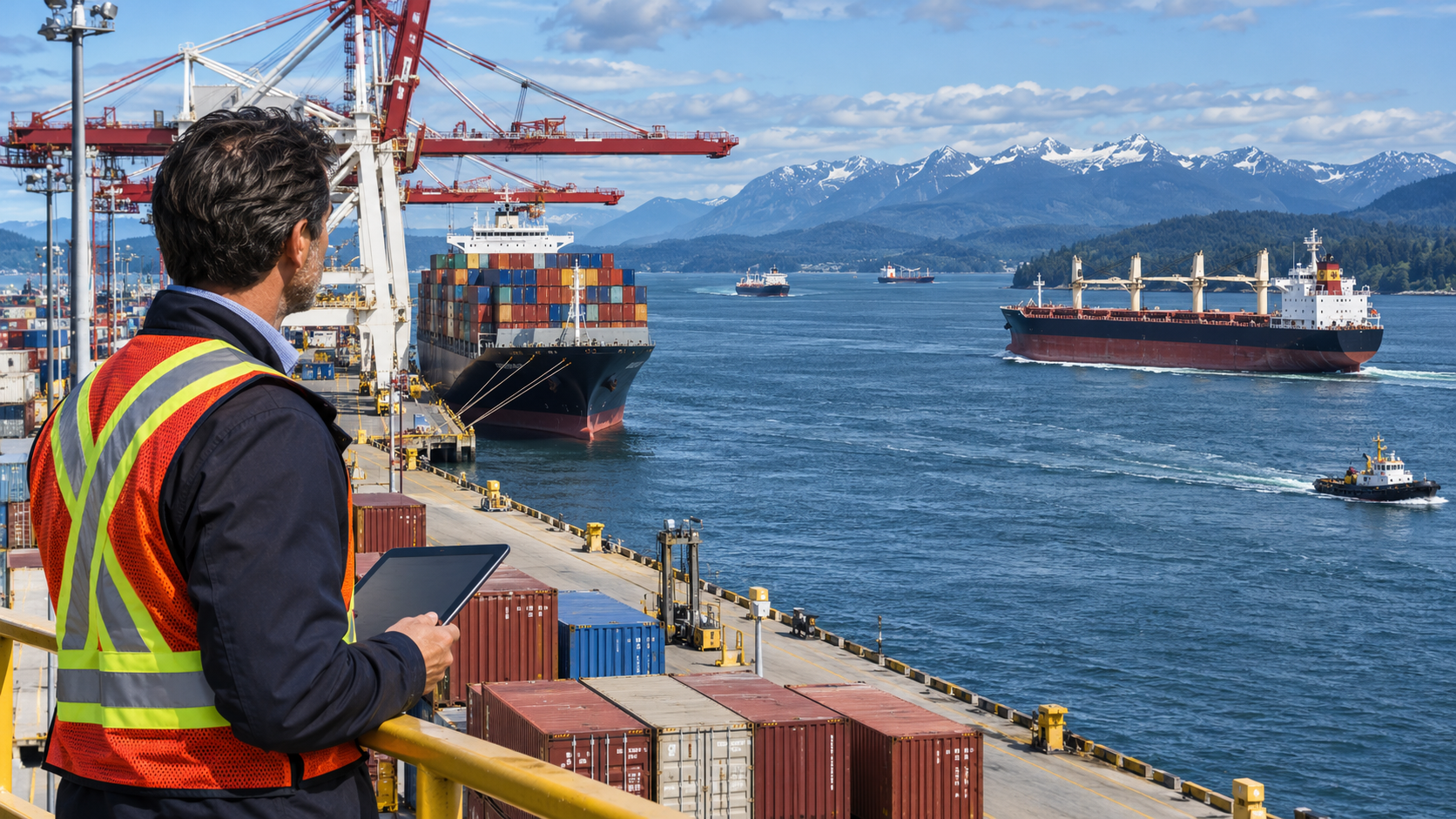
The manufacturer and image are illustrative. Annual shares are Global Affairs Canada's customs-based series. Monthly changes are from Statistics Canada's seasonally adjusted balance-of-payments series and may be revised. No independently estimated or unverified figures are included.
Key takeaways
- Identify what risk you want to spread
- Test demand and margin in one market first
- Check when the cash actually arrives