PolicyFree
Policy changes Canadian businesses should watch
Turn federal and provincial policy news into a short list of decisions about payroll, pricing and compliance, using the legal status, effective date and actual scope of each change.
Free to read
Analysis on tariffs, trade, recession, the economy and policy.
Turn federal and provincial policy news into a short list of decisions about payroll, pricing and compliance, using the legal status, effective date and actual scope of each change.
Read the article →Archive
Turn federal and provincial policy news into a short list of decisions about payroll, pricing and compliance, using the legal status, effective date and actual scope of each change.
Canada's latest figures show flat output, higher unemployment and stronger retail sales. Here's how to read those signals together, and why two shrinking quarters settle less than you might think.
Six practical steps for the first week after a tariff announcement, from verifying the measure to estimating cash exposure and deciding what to tell suppliers and customers.
Selling to more markets can reduce dependence on one buyer or country, provided the new sales can cover the costs of winning customers, delivering orders and waiting for payment.
Five practical indicators can help Canadians understand the direction of the economy, from inflation and employment to household spending, interest rates and output.
Importers pay tariffs at the border, but the economic cost can spread across suppliers, businesses, consumers and workers.
A plain-language look at how a tariff is collected at the border and how its cost can travel through prices, margins and supply chains.
Go deeper
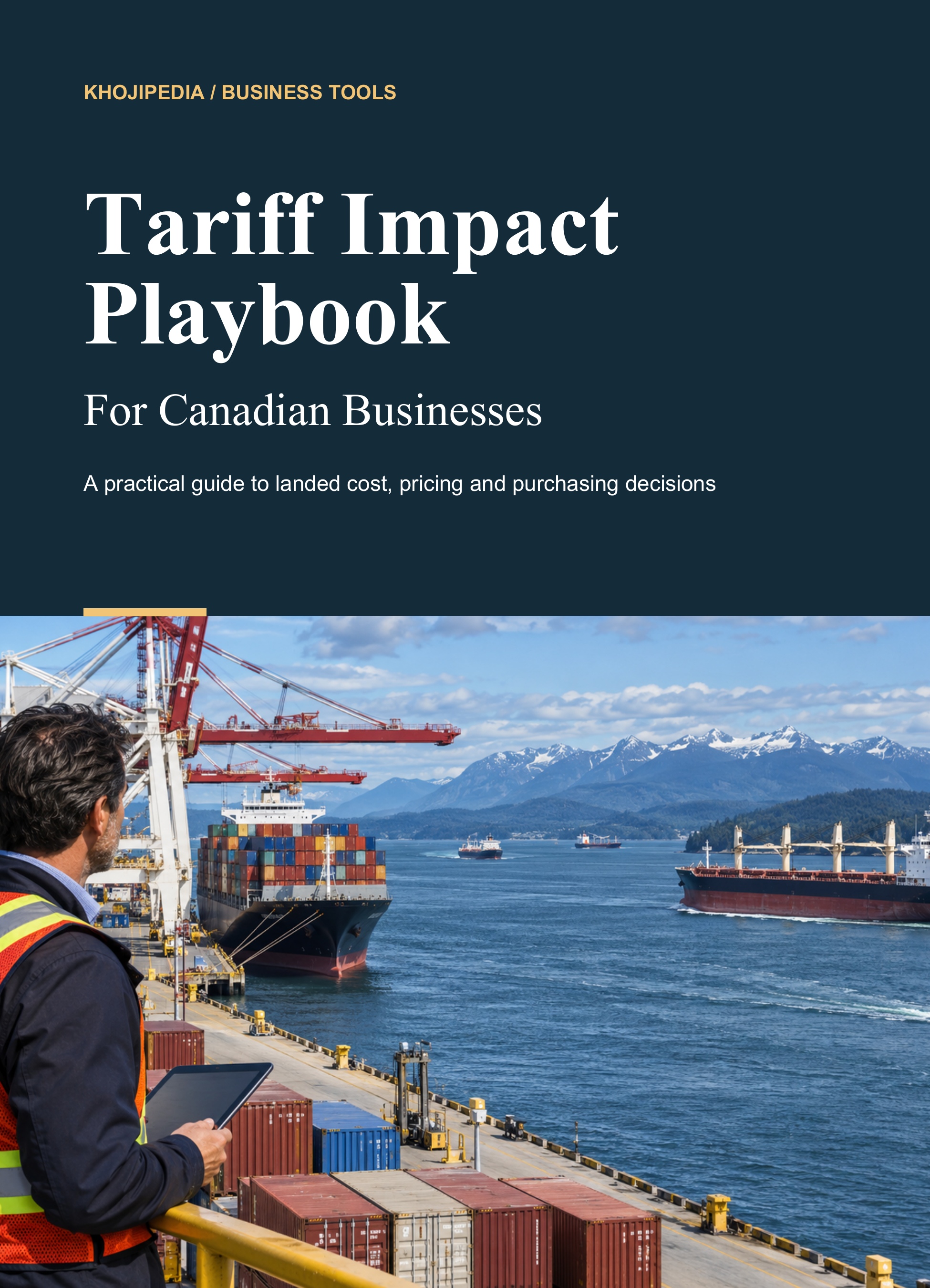
Calculate how tariff changes affect your landed costs, margins and selling prices.
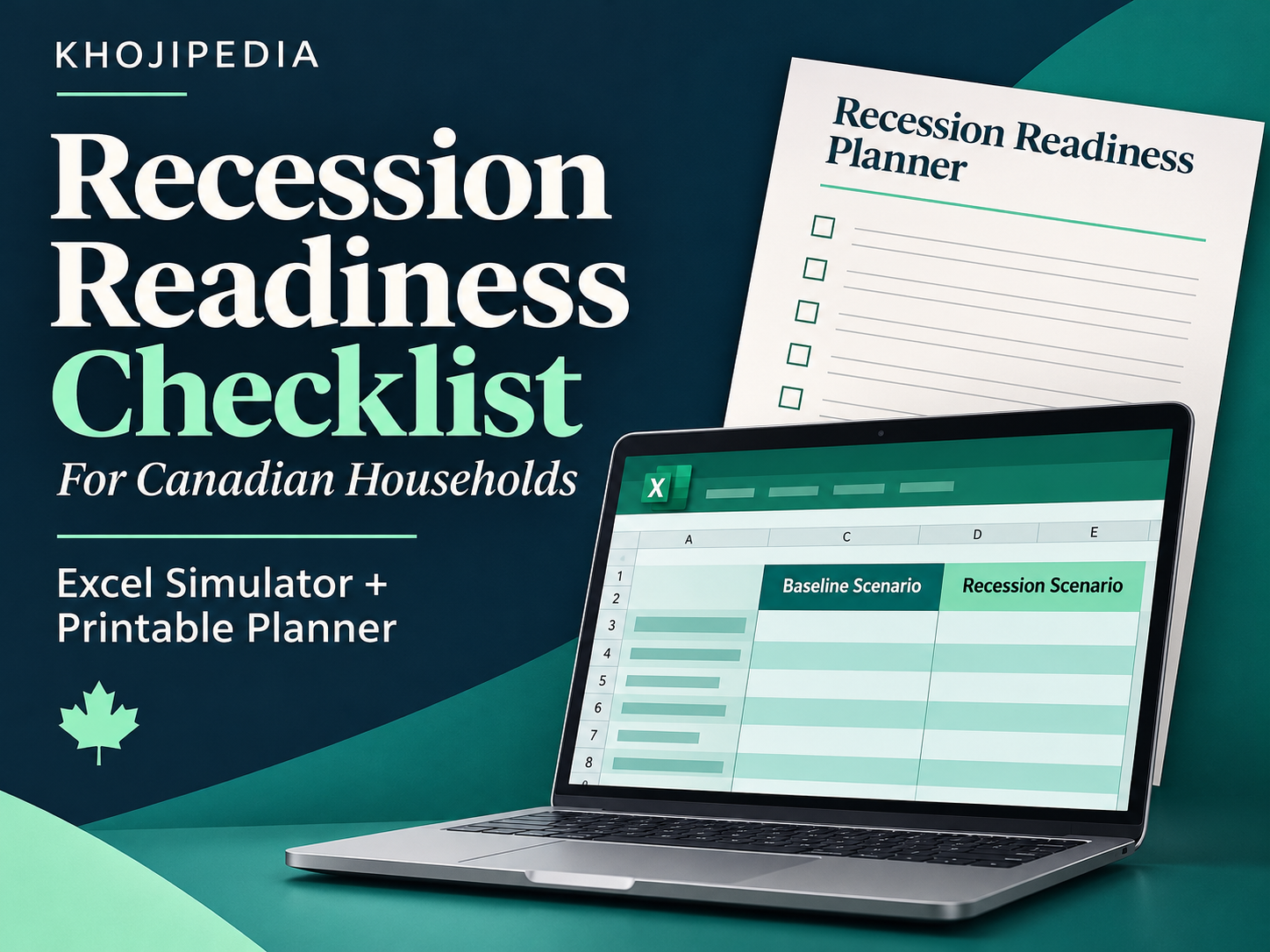
Compare how reduced hours or an income gap could affect your monthly budget.
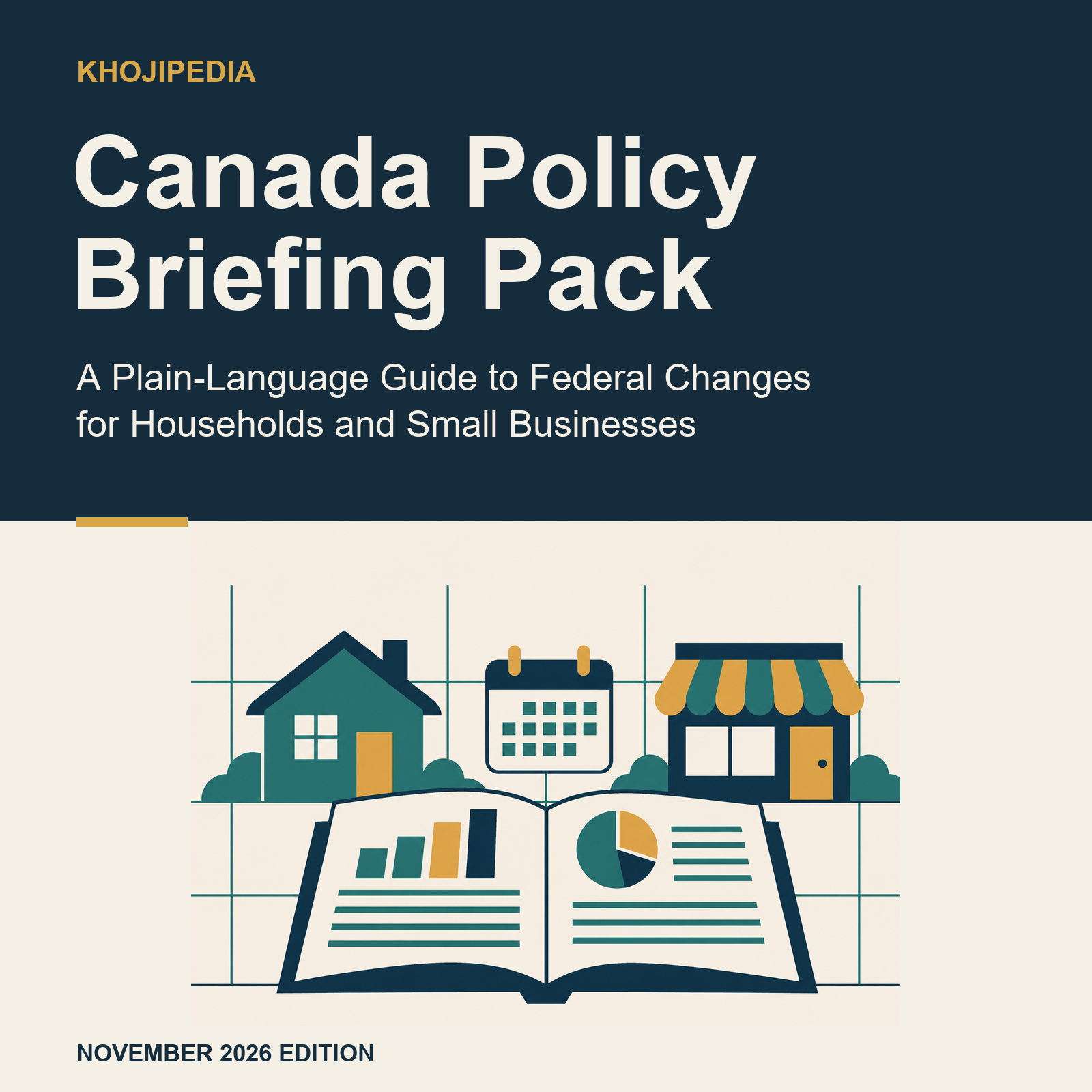
See what changed in federal policy, who may be affected, and which dates matter.